Joaquín “El Chapo” Guzmán was captured in 2011, escaped in 2014 via tunnel, and was recaptured in 2016. His dramatic escape is among many notable tunnel breaks by POWs, inmates, and others over 225 years.
10. Libby Prison Tunnel (1864)
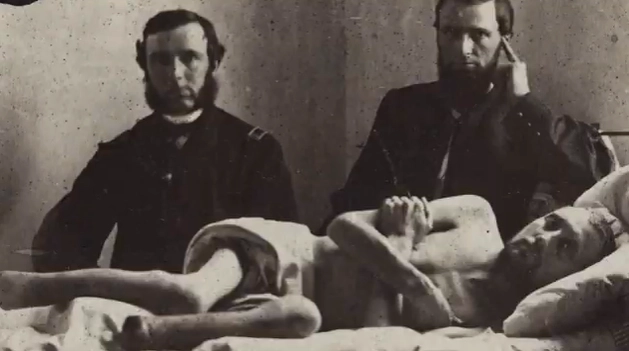
Libby Prison in Richmond held Union POWs. Robert Knox Sneden, a nearby inmate, documented the February 9, 1864, tunnel escape through sketches, later watercolors, and writings. He described a chaotic scene as 109 prisoners rushed for the tunnel, each desperate to exit before daylight, crowding and jamming the space in disorder.
Despite the chaos, all 109 escaped the infested prison. However, for 51, freedom was brief: 49 were recaptured and two drowned in the James River. The remaining men successfully rejoined the Union Army.
9. Pulaski Tunnel (1910)
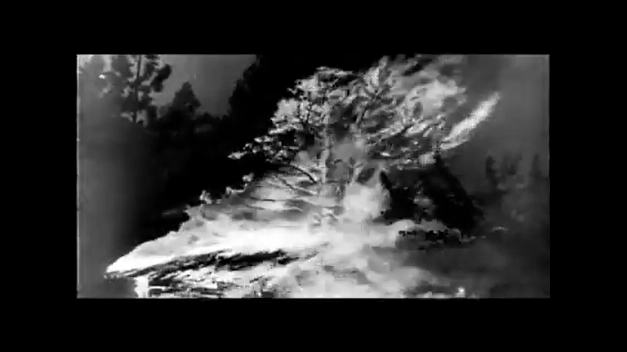 Unofficially, the inferno known as The Great Idaho Fire is also called “The Big Burn.” An onsite historical marker erected by the U.S. Department of Agriculture’s Forestry Service recounts the disaster, which involved a series of huge forest fires resulting from drought conditions and small fires fanned into big ones by winds of “gale force.”
Despite the efforts of hundreds of firefighters, The Big Burn incinerated three million acres of forest. It also trapped Edward C. Pulaski and his 45-member crew, whom Pulaski led into a mine tunnel, holding them there until the fire had made its way through the timberland. Thanks to Pulaski’s quick thinking and leadership, all but six of his team survived.
8. “Harry”
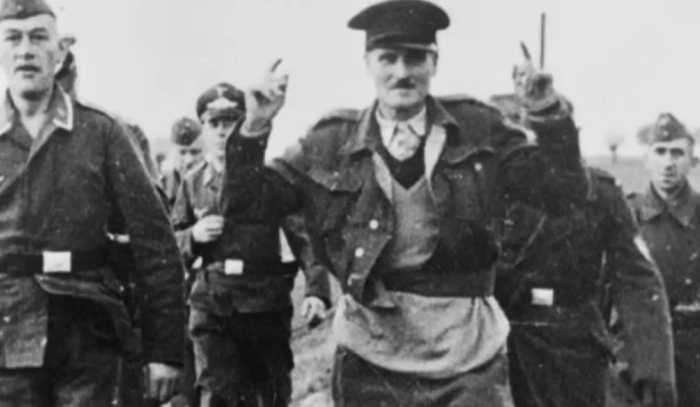 Captured in May 1940, RAF Squadron Leader Roger Bushell joined the Escape Committee at Dulag Luft. His first two tunnels failed. In a later escape, using civilian clothes and his language skills, he reached the German-Swiss border before capture. En route to Lübeck camp, he fled a train. After the Heydrich assassination, his escape partner disappeared, but Bushell was returned to Dulag Luft.
There, he masterminded three simultaneous tunnels: "Tom," "Dick," and "Harry." "Tom" was discovered and "Dick" abandoned. Despite immense challenges, "Harry" succeeded on March 24, 1944, with 76 men escaping. Ultimately, 73 were recaptured. Hitler ordered 50 of them executed, purportedly for resisting re-arrest.
7. Tunnel 57 (1965)
 Tunnel 57 is hailed as "the most successful escape tunnel in the history of the Berlin Wall." Joachim Neumann, who fled East Germany in 1961, later organized a second tunnel attempt in 1965 with a crew of students. Using only shovels and buckets, they dug from an abandoned bakery over five months.
When completed, West Berliners guided relatives to the tunnel using a code word. Although discovered, most escapers fled successfully. A guard was tragically killed in the confusion. The tunnel enabled 57 escapes—nearly one-fifth of all successful tunnel escapes during the Wall's existence—and allowed Neumann to reunite with his girlfriend and start a new life.
6. Vellore Fort (1995)
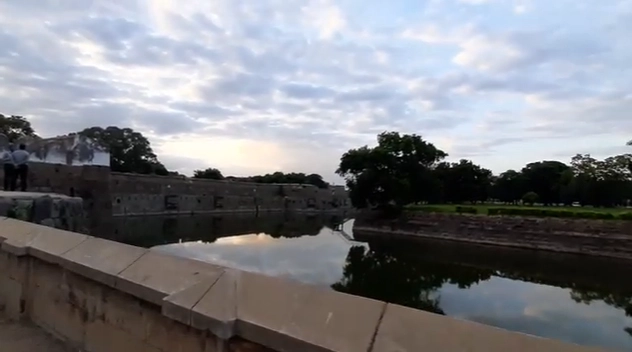 On August 15, 1995, 43 LTTE cadres escaped from Vellore Fort prison via a 153-foot tunnel dug with minimal tools. The escape, involving a swim across a moat under armed guard, raised serious questions. Reporters doubted the official account, suggesting bribery and that the "tunnel" may have been an unused drainage pipe.
The LTTE, a separatist militant group active until 2009, fought for a Tamil homeland in Sri Lanka. The conflict resulted in an estimated 70,000 deaths. While some called them freedom fighters, Stanford University identifies the organization as militant.
5. Carandiru House of Detention (2001)
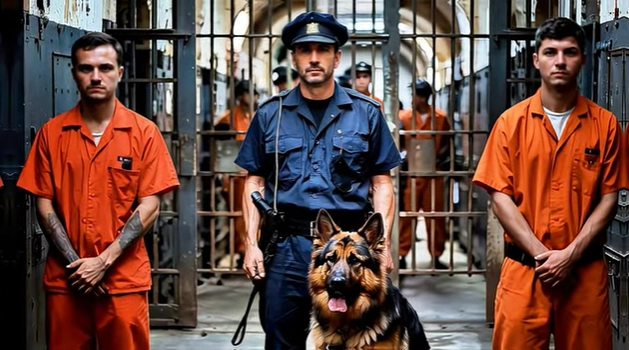 Brazil's Carandiru House of Detention, operational since 1956, was infamous for extreme violence, with over 1,300 inmates dying violently among its 8,000 prisoners. This included 111 deaths during a single uprising suppression. Unsurprisingly, escapes occurred, such as the July 2001 tunnel escape of 105 prisoners, after which a second incomplete tunnel from the hospital was found.
Twenty-nine escapees were recaptured. Many were gang members who had used cell phones from Carandiru to coordinate a major statewide prison revolt in February 2000.
4. Sarposa Prison (2011)
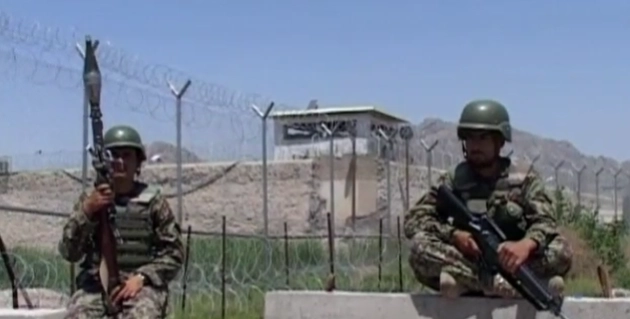 Escaped Taliban prisoners incarcerated in Afghanistan’s maximum security prison explained how “insurgent comrades” on the outside built a tunnel, complete with “lighting and piped air,” to help them escape. Armed with AK-47 rifles, insurgents inside the prison opened cell doors, allowing the prisoners to enter the1,050-foot (320-meter) long tunnel and crawl to freedom. The dirt-floor tunnel, they said, took their confederates five months to build.
Despite light and air, the tunnel was crowded and took 30 minutes to travel “in oppressive and crowded conditions.” The escapees numbered almost 500 fighters, 71 of whom had been recaptured by April 27, 2011.
3. Indonesian officials sought to apprehend four escaped Kerobokan Prison inmates who were serving time for drug offenses and fraud.
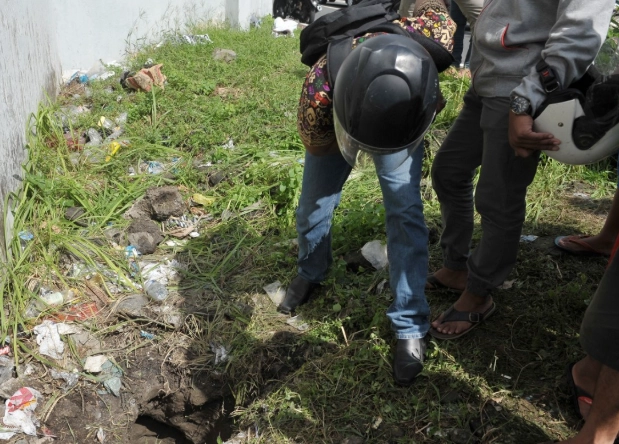
The overcrowded Bali prison, built for 300 but holding 1,400 inmates, is infested with pests and plagued by corruption, including prostitutes smuggled in. Many inmates sleep on the floor due to bed shortages. Alongside escapes, the facility faces suicides and murders, exacerbated by a nationwide drug crackdown.
2. Gilboa Prison (2021)
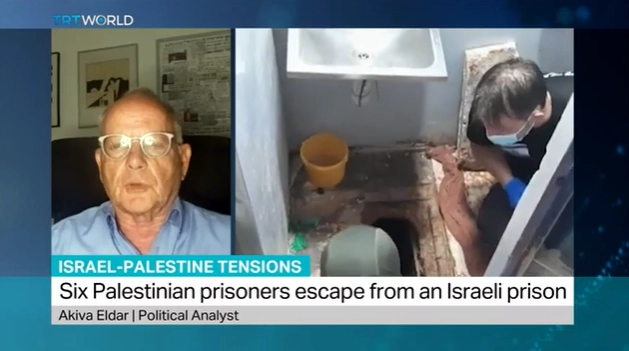 Inmates at Gilboa Prison used makeshift tools like plates and panhandles to dig a tunnel to freedom over 10 months. With the help of five others, the six Palestinian security prisoners excavated through their bathroom floor, hid the soil in hollow shafts and pails, and navigated structural cavities before surfacing at a roadside.
Their escape succeeded due to systemic negligence: ignored sewer block reports, unmonitored security cameras, and dismissed alarms from barking dogs.
1. Srisailam Left Bank Canal (2025)
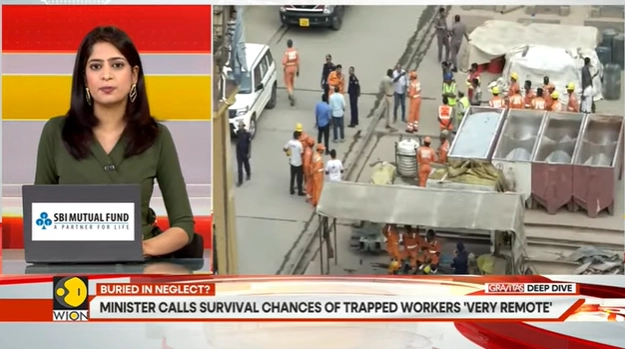 A tunnel roof collapse at the Srisailam Left Bank Canal project trapped eight workers, though 60 others escaped. The incident happened upon activating the tunnel boring machine, triggering water seepage that flooded the area. Many more might have been trapped had a train not evacuated them earlier.
Over a week later, the trapped remain missing. Chief Minister A. Revanth Reddy pledged to expedite rescue after repairing a damaged conveyor belt. He attributed the seepage to a power outage caused by unpaid bills from the Bharat Rashtra Samithi party to the contractor. Survivors reportedly faced intimidation from the company to withhold incident details.
Related Articles
How the Stock Market Impacts Your Daily Life
Ever wondered how the stock market affects you? This guide breaks down the real-world impact on your job, savings, and d...

The A-share market will inevitably lead the world in the future!
The State Council's executive meeting on June 7 emphasized that the development of the real estate industry is related t...
Brokerage Comparison: How to Pick the Best Online Broker
Confused by too many broker choices? We compare fees, features, and real user experiences to help you find the right tra...
Top Barriers to Investing and How to Overcome Them
What stops people from investing? Discover the 2-3 biggest psychological and practical barriers that hold most people ba...
High vs Low Volume Stocks: Which is Better for Trading?
Is it better to buy stocks with high volume or low volume? This in-depth guide breaks down volume analysis, revealing wh...